
Pay with Bitcoin & Save 20%. Use code: 20%bitcoin Dismiss
Skip to contentKetamine pills represent a major point of interest in modern pharmacology, evolving from a 1960s battlefield anesthetic into a groundbreaking treatment for mental health and chronic pain.
£5.00
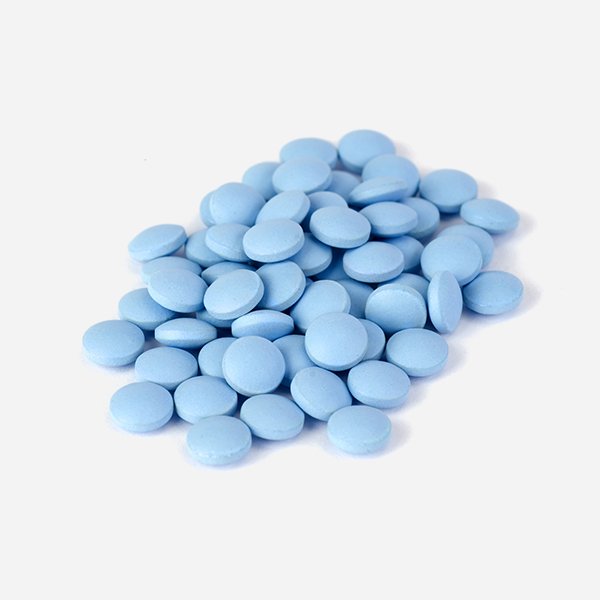
When exploring what is ketamine’s used for in modern medicine, you uncover one of the most structurally unique, versatile, and historically significant compounds in modern pharmacology. Originally synthesized in the early 1960s as a safer alternative to classical anesthetics, it has spent more than half a century serving as an indispensable pillar in emergency medicine, battlefield surgery, and veterinary science. More recently, it has captured global medical attention for its extraordinary ability to stimulate rapid neuroplasticity, paving the way for a revolutionary new frontier in clinical mental health treatments.
In this comprehensive guide, we will trace its history from Belgian veterinary labs to the battlefields of Southeast Asia, analyze its unique chemical and physiological advantages, examine modern therapeutic applications including research into ketamine pills and oral formulations—and detail critical safety guidelines required for its procurement and use.
The story of this revolutionary compound began in 1962 at the Parke-Davis research laboratories in Belgium. Chemist Calvin L. Stevens synthesized the compound (originally designated as CI-581) while searching for a substitute for phencyclidine (PCP). While PCP was an effective anesthetic, it frequently induced severe, prolonged post-operative delirium and agitation in human patients upon waking.
Stevens’ new creation, a structural analogue of PCP, proved to be an instant breakthrough:
The Animal Trial Phase: The drug got its start in Belgium as an anesthesia medicine for animals, where veterinarians praised its rapid onset and deep, reliable sedation across a wide variety of species.
Human Translation and FDA Approval: Recognizing its profound safety profile and minimal physiological side effects, researchers quickly transitioned the compound into human clinical trials. The U.S. Food and Drug Administration (FDA) officially approved it as an anesthetic for people in 1970.
The Vietnam War Battlefield: Shortly after its approval, it faced its first major real-world test on the battlefields of the Vietnam War. Because combat medics often operated under extreme pressure, in chaotic environments, and with limited equipment, they needed an anesthetic that was robust, fast-acting, and required minimal life-support monitoring. It saved thousands of lives on the front lines, earning its reputation as a battlefield medical staple. you can visit our site for other products
To understand why ketamine medicine stands completely apart from traditional anesthetics or sedatives, one must look at how it interacts with the central nervous system.
The compound is legally classified as a dissociative anesthetic. Instead of shutting down the entire central nervous system like traditional barbiturates or volatile gases, it selectively interrupts signaling pathways between the conscious neocortex and the deeper, emotional structures of the limbic system.
This creates a state of “dissociation” a profound sensory disconnect where a patient remains completely unresponsive to localized pain signals while technically maintaining a superficial, waking state.
The single most critical factor that made it a battlefield lifesaver relates to its unique interaction with a patient’s respiratory and cardiovascular systems:
The Primary Safety Shield: Unlike other anesthetics, it doesn’t slow breathing or heart rate. Traditional general anesthetics heavily suppress the brainstem’s drive to breathe, requiring patients to be placed on a mechanical ventilator to maintain oxygen levels. Ketamine operates via entirely different pathways; it preserves a patient’s natural protective airway reflexes, keeps the respiratory drive fully active, and actually causes a mild boost in blood pressure and heart rate. Because of this, patients don’t need to be on a ventilator to receive it, making it the premier choice for field medicine, pediatric emergencies, and resource-limited clinics.
For laboratory researchers, medical practitioners, and clinical buyers, maintaining precise chemical consistency is vital. The substance is an arylcyclohexylamine compound that operates primarily as a non-competitive antagonist at the NMDA receptor site.
| Parameter / Metric | Chemical Specification Details |
| IUPAC Chemical Name | 2-(2-chlorophenyl)-2-(methylamino)cyclohexan-1-one |
| Molecular Formula | $C_{13}H_{16}ClNO$ |
| Molecular Weight | $237.73 \text{ g/mol}$ |
| Common Formats | Liquid injection solution (USP), Lyophilized crystalline salt, Sublingual troches / ketamine tablets |
| Primary Synaptic Target | NMDA Receptor Antagonism, AMPA Receptor Activation |
The compound exists naturally as a racemic mixture composed of two mirror-image enantiomers: S(+)-ketamine (esketamine) and R(-)-ketamine (arketamine). S-ketamine features a significantly higher binding affinity for the NMDA receptor site, requiring roughly half the physical dose of the racemic mixture to achieve identical levels of anesthesia. pharmacy
While its role as a surgical anesthetic remains fully intact, the drug has experienced a massive cultural and medical renaissance over the past decade. Today, low-dose infusions, sublingual lozenges, and oral ketamine pills are being studied and utilized in specialized clinical settings to treat a variety of treatment-resistant psychological conditions.
Traditional selective serotonin reuptake inhibitors (SSRIs) can take anywhere from four to six weeks to alter a patient’s mood profile. It directly stimulates the rapid release of glutamate, which triggers a cascade of events that repairs damaged synaptic connections in the prefrontal cortex.
By blocking NMDA receptors, it helps disrupt the chronic “pain memory” loops that form in the central nervous system . This makes it highly effective at treating difficult conditions like Complex Regional Pain Syndrome (CRPS) and fibromyalgia.
Furthermore, in Ketamine-Assisted Psychotherapy (KAP) settings where clinicians may utilize sublingual lozenges, oral formulations . single ketamine pill doses the temporary emotional detachment allows patients with severe Post-Traumatic Stress Disorder (PTSD) to process traumatic memories safely alongside a trained professional without being overwhelmed by intense panic or fear.
While intravenous (IV) and intramuscular (IM) administration remain the gold standards for clinical anesthesia and acute hospital care. The growing interest in outpatient psychiatric care has led to expanded research into oral options, such as ketamine tablets .
Norketamine retains distinct analgesic and neuroplastic properties while offering a smoother, less intense psychoactive curve. This unique metabolic pathway is why medical researchers continue to refine oral delivery systems for specialized therapeutic protocols.
To summarize how versatile this medication is across different fields of medicine, consider its primary applications:
Emergency & Battlefield Anesthesia: Provides rapid sedation without suppressing spontaneous respiration or lowering blood pressure.
Pediatric Emergency Care: Allows safe minor procedures and wound care in children without requiring endotracheal intubation.
Treatment-Resistant Depression (TRD): Offers rapid anti-depressive relief within hours when standard medications have failed.
Ketamine-Assisted Psychotherapy (KAP): Facilitates deep psychological processing in PTSD and anxiety using controlled clinical dosing (often via lozenges or oral ketamine pills).
Chronic Pain Management: Breaks central sensitization in conditions such as CRPS, neuropathic pain, and severe migraines.
Because it is a highly potent substance with potential for non-medical misuse, it is classified globally as a tightly controlled. Acquiring this material requires strict adherence to legal, regulatory, and professional frameworks.
Licensing and Compliance: Legitimate purchases can only be completed by licensed medical professionals, established veterinary clinics, or authorized academic research laboratories possessing valid government registration credentials.
Purity Validation: Ensure all compounds arrive with a verifiable Certificate of Analysis (COA) confirming the batch is free from hazardous heavy metals, lingering synthetic solvents, or biological contaminants.
Discreet, Certified Distribution: Authorized medical suppliers utilize specialized, tamper-evident, and temperature-controlled logistics networks to guarantee physical stability and absolute security during transport.
Dissociative anesthesia is a unique medical state where a patient is disconnected from their immediate physical surroundings. It avoids the deep, total central nervous system shutdown caused by traditional, heavy general sedatives.
Standard formulations are typically distributed as a racemic mixture containing equal parts of both the S and R enantiomers. Esketamine is an isolated formulation consisting solely of the S(+) enantiomer.
To dive deeper into the clinical evidence, historical timelines, and evolving therapeutic research surrounding this compound. explore the comprehensive medical publications archived at the review official chemical handling data hosted via the World Health Organization (WHO).
Only logged in customers who have purchased this product may leave a review.
Reviews
There are no reviews yet.