Description
Oxycodone 80mg: Extended-Release Opioid Information and Safety
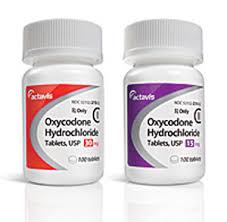
Oxycodone 80mg is a high-strength extended-release opioid formulation used in specific medical circumstances to manage severe, persistent pain when around-the-clock opioid treatment is considered appropriate.
This is a potent opioid analgesic that acts on receptors in the central nervous system to alter the body’s perception and response to pain. An extended-release formulation is designed to release the medicine over an extended period rather than delivering the entire amount immediately.
Because of its potency, oxycodone requires careful medical supervision. It can cause serious respiratory depression, particularly when taken incorrectly or combined with alcohol, sedatives, or other medicines that suppress the central nervous system.
What Is Oxycodone 80mg?
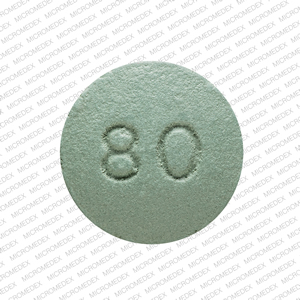
Oxycodone 80mg refers to a high-strength formulation containing 80 milligrams of oxycodone.
When supplied as an extended-release medicine, it is designed for prolonged delivery of oxycodone to help provide continuous pain control in appropriate patients.
This type of formulation is different from immediate-release oxycodone products. The two forms should not be treated as interchangeable because they have different release characteristics and dosing considerations.
What Is Oxycodone Used For?
Oxycodone is prescribed for pain management in appropriate patients.
Extended-release oxycodone is generally reserved for persistent pain situations where continuous, around-the-clock opioid treatment is medically appropriate and alternative treatment options are inadequate.
A healthcare professional considers several factors before prescribing an extended-release opioid, including:
- Severity and persistence of pain
- Previous treatments
- Previous opioid exposure
- Overall health
- Other medicines being used
- Risk of respiratory complications
- History of substance-use problems
How Oxycodone Works
Oxycodone belongs to the opioid class of medicines.
It works primarily by activating opioid receptors in the central nervous system.
By acting on these receptors, oxycodone can reduce the sensation of pain and change how the brain and nervous system respond to painful stimuli.
The extended-release formulation is designed to provide prolonged exposure to the medicine rather than the rapid release associated with immediate-release formulations.
Extended-Release Oxycodone
The extended-release characteristic is an important part of this medication.
Extended-release opioid tablets are specifically designed to control how quickly the active ingredient becomes available.
For that reason, patients should follow the administration instructions supplied with their particular product.
Extended-release tablets should not be altered in a way that interferes with their release mechanism. Crushing, chewing, or otherwise manipulating an extended-release opioid can potentially cause too much medicine to become available too quickly.
Understanding 80 mg Oxycodone
The term 80 mg oxycodone describes the amount of oxycodone contained in the formulation.
However, the number alone does not tell you whether a particular dose is appropriate for an individual.
An 80mg extended-release formulation is a high-strength opioid product and is not intended to be used casually or without professional medical direction.
Oxycodone Pill Safety
An oxycodone pill should only be taken when it has been prescribed or otherwise appropriately supplied by a qualified healthcare professional.
People should never take an oxycodone tablet belonging to someone else, even if the other person appears to have similar symptoms or pain.
Prescription opioids can have very different effects depending on a person’s tolerance, health conditions, and other medications.
Oxycodone and Respiratory Depression
One of the most serious risks associated with oxycodone is respiratory depression.
This occurs when opioid effects suppress the brain’s control of breathing.
Symptoms of potentially dangerous opioid effects can include:
- Very slow or shallow breathing
- Difficulty waking
- Extreme sleepiness
- Confusion
- Loss of consciousness
- Blue or gray lips or skin
Oxycodone and Alcohol
Alcohol can intensify the effects of oxycodone.
Combining alcohol with an opioid may increase sedation and respiratory depression and can raise the risk of life-threatening overdose.
Patients using oxycodone should follow the warnings provided with their medication and discuss alcohol consumption with their healthcare professional.
Oxycodone and Other Medicines
Some medicines can interact dangerously with oxycodone.
Particular concern applies to other substances that suppress the central nervous system, including certain:
- Sedatives
- Sleeping medicines
- Anti-anxiety medicines
- Other opioid medicines
- Central nervous system depressants
Combining these substances can increase the risk of profound sedation and respiratory depression.
Common Side Effects
Oxycodone can cause several side effects.
Common opioid-related effects may include:
- Drowsiness
- Dizziness
- Nausea
- Vomiting
- Constipation
- Dry mouth
- Lightheadedness
The severity of side effects can vary between individuals.
Serious Side Effects
Some adverse reactions require urgent medical attention.
The most serious concern is respiratory depression, particularly after taking more medicine than prescribed or combining oxycodone with other sedating substances.
Severe allergic reactions can also require emergency treatment.
Anyone experiencing severe difficulty breathing, extreme sedation, loss of consciousness, or suspected overdose should receive emergency medical assistance immediately.
Dependence and Tolerance
Long-term opioid treatment can lead to physical dependence and tolerance.
Tolerance means that the body can become less responsive to the same amount of medicine over time.
Physical dependence means the body adapts to the presence of the medicine, so stopping suddenly after prolonged use can cause withdrawal symptoms.
These effects do not necessarily mean that a person has an opioid addiction, but they demonstrate why long-term opioid treatment needs medical supervision.
Patients should not suddenly stop long-term oxycodone treatment without speaking with their healthcare professional.
Risk of Opioid Misuse and Addiction
Oxycodone has a recognized risk of misuse and addiction.
Misuse can include taking the medicine differently from how it was prescribed, taking someone else’s prescription, or using the medicine for reasons other than its intended medical purpose.
Opioid use disorder is a medical condition involving problematic opioid use and can require professional treatment.
Safe Administration
Oxycodone should be taken exactly according to the instructions provided by the prescribing healthcare professional.
Patients should:
- Follow the prescribed schedule
- Use only the prescribed amount
- Never share their medicine
- Avoid altering extended-release tablets
- Keep the medicine securely stored
- Ask a pharmacist about possible interactions
Oxycodone and Driving
Oxycodone may cause drowsiness, dizziness, slowed reactions, or impaired concentration.
These effects can make driving or operating machinery dangerous.
Patients should understand how the medication affects them and follow professional advice before performing activities that require alertness.
Storage and Handling
Prescription opioids should be stored securely and kept away from children and anyone who could accidentally or intentionally take them.
Secure storage is particularly important because oxycodone can cause serious harm to someone who has not been prescribed the medicine.
Unused or expired medication should be disposed of using an appropriate medication take-back or disposal service where available.
Why Buying Oxycodone Online Is Risky
Searches such as “buy oxycodone online” or “oxycodone for sale online” can lead people toward unverified sellers.
Obtaining prescription opioids from unregulated websites creates significant safety risks.
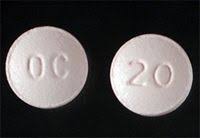
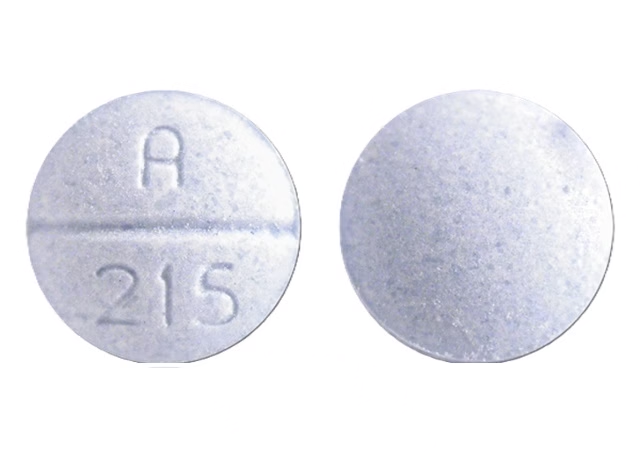
Counterfeit tablets may contain unexpected substances, incorrect amounts of oxycodone, or other potent drugs. A tablet that looks authentic cannot reliably establish its contents.
Recognizing a Potentially Counterfeit Oxycodone Pill
People should not rely on color, shape, packaging, or markings alone to determine whether an opioid tablet is genuine.
Who Should Discuss Oxycodone Carefully With a Doctor?
Patients should make their healthcare professional aware of relevant health conditions before starting treatment.
Particular caution may be required for people with:
- Breathing problems
- Liver or kidney problems
- Certain gastrointestinal conditions
- A history of substance-use problems
- Other conditions affecting the central nervous system
Pregnancy and breastfeeding also require individual medical assessment.
A healthcare professional can determine whether the potential benefits outweigh the risks for the individual patient.
What to Know About Oxycodone Treatment
Oxycodone treatment should be part of a broader pain-management plan when appropriate.
Depending on the cause and severity of pain, a healthcare professional may consider other treatments, including non-opioid medicines, physical approaches, rehabilitation, or other interventions.
Final Thoughts on Oxycodone 80mg
Oxycodone 80mg is a high-strength extended-release opioid formulation intended for carefully selected patients with severe, persistent pain requiring around-the-clock opioid treatment.
However, its potency also creates important risks. Respiratory depression, overdose, dependence, tolerance, misuse, and addiction are serious considerations.
Patients should use oxycodone only as prescribed and should never obtain or share prescription opioids through unregulated sources.
If you have questions about 80 mg oxycodone, dosage, interactions, side effects, dependence, or whether this medication is appropriate for your condition, speak with your doctor or pharmacist.
This content is provided for general educational purposes and does not replace individualized medical advice or the official prescribing information for a specific oxycodone product.

Reviews
There are no reviews yet.